When Identity Goes Down: Why Identity Resilience Matters
Identity has become critical infrastructure.
Organisations increasingly depend on centralised identity services to authenticate users, control privileged access and enable access to critical systems. That has delivered significant security benefits — but it has also created a fundamental dependency.
What happens when identity itself becomes unavailable?
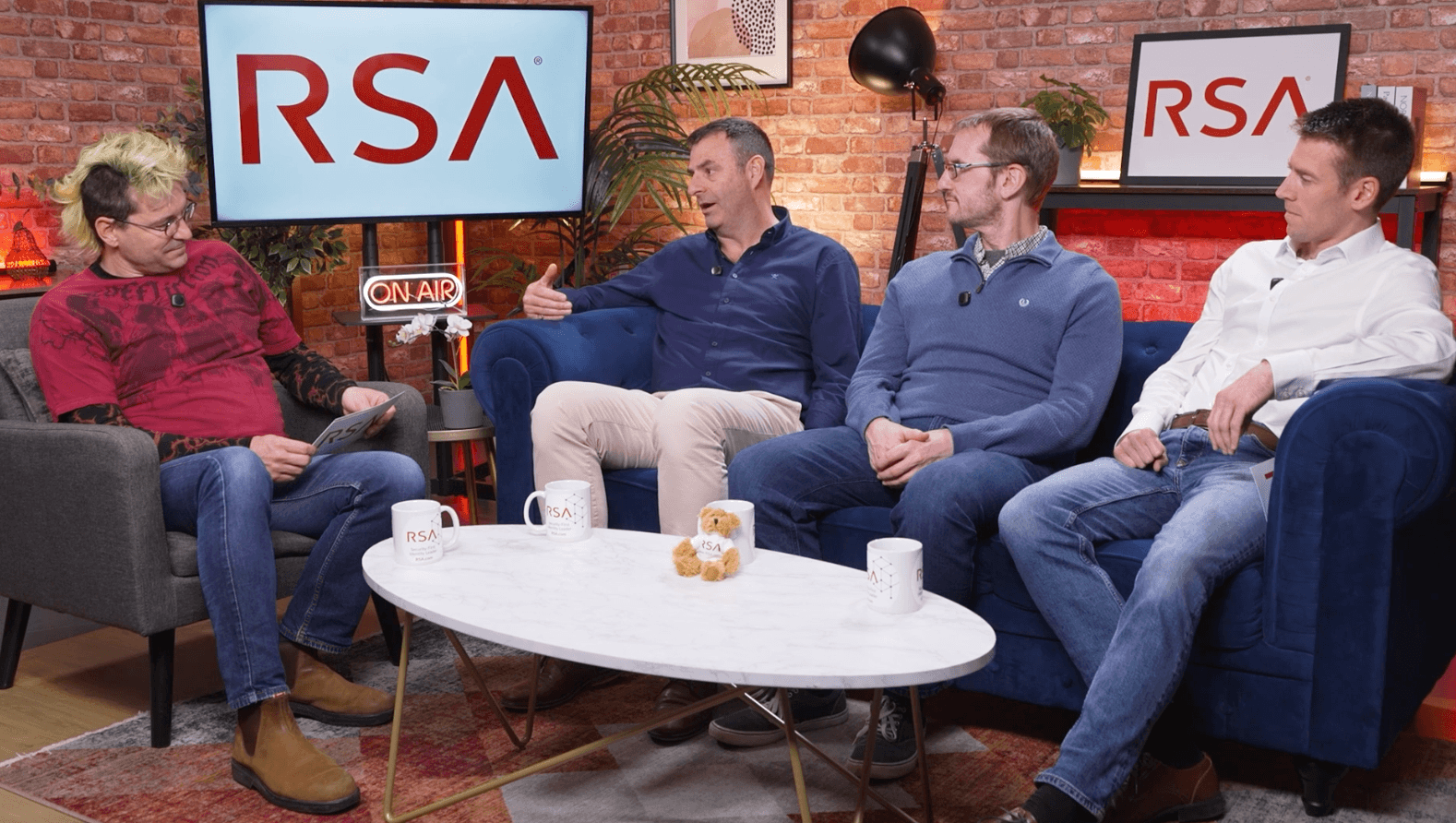
In the latest episode of RSA Identity Unmasked, Burning Tree CEO David Lello joins host Ingo Schubert and RSA experts Paul Mulvihill and Jon Nicholas to explore why identity resilience is becoming an increasingly important part of cyber resilience.
The discussion considers why identity systems are now attractive targets for attackers, the concentration risk created by centralised access control, and an important distinction:
Security and resilience are not the same thing.
Strong authentication, privileged access management and identity governance help prevent compromise. Resilience asks a different question: if those systems are disrupted or compromised, can the organisation continue to operate and recover?
The episode explores practical questions organisations should be asking now — including fallback access, recovery capabilities, critical dependencies and how identity resilience should be tested before an incident occurs.
For Burning Tree, this reflects a broader shift in cybersecurity. Identity is no longer simply another security control. It is increasingly the control plane for the digital organisation — and needs to be protected, governed and designed for resilience accordingly.
Watch RSA Identity Unmasked — Episode 7: Resilience
Explore Burning Tree’s approach to Identity & Access Management →